Unlocking the Power of Synchronized Lighting: A Guide to Setting Up Multiple WEC3 Controllers

Table of Contents

Connecting Your WEC3 Controller to Your Home Wi-Fi

Setting up your Minleon Permanent Lighting System with multiple WEC3 controllers has never been easier. In this comprehensive guide, we’ll walk you through the step-by-step process of connecting your WEC3 controller to your home Wi-Fi network, ensuring a seamless and synchronized lighting experience.

Step 1: Ensure Wi-Fi Connection

Begin by going to the settings on your device and verifying that the Wi-Fi is connected to the network being output by the WEC3 controller. This is typically labeled as the “WEC3” network.

Step 2: Open the Pixel Dancer App

Next, open the Pixel Dancer app on your device. If the initial screen displays a prompt, simply press the “X” at the bottom of the screen to proceed.

Step 3: Access the Settings Menu

Locate the gear symbol in the upper right-hand corner of the app and press it to enter the settings menu.

Step 4: Configure Network Settings

In the settings menu, you’ll see three fields that need to be filled out:

  1. Wi-Fi Name: Enter the name of the Wi-Fi network you want to connect the controller to, such as your household Wi-Fi.
  2. Wi-Fi Password: Enter the password for the Wi-Fi network you selected.
  3. WEC3 Name: Choose a name for your WEC3 controller that you’ll remember, such as your company name. This will be used for local browsing.

Below these fields, you’ll see three options: Master, Client, and None. In this case, you’ll want to select “Master” as you are setting up a master controller.

Step 5: Reboot the WEC3 Controller

Once you’ve entered all the necessary information, click the “Reboot WEC3” button and wait for the controller to reset, which should take 15 to 30 seconds.

Connecting Additional WEC3 Controllers

Now that you’ve set up your master WEC3 controller, you can connect additional controllers to your home Wi-Fi network and synchronize their lighting displays. Here’s how:

Step 1: Repeat the Setup Process

For each additional WEC3 controller, repeat the steps outlined above to connect them to your home Wi-Fi network. Remember to use the same Wi-Fi name and password, but give each controller a unique “WEC3 Name” that you’ll remember.

Step 2: Designate Slave Controllers

When configuring the network settings for the additional controllers, select the “Client” option instead of “Master.” This will designate them as slave controllers, allowing them to synchronize with the master controller.

Step 3: Verify Connections

After rebooting the slave controllers, check your device’s Wi-Fi settings to ensure they have successfully connected to your home network. You can then reopen the Pixel Dancer app to confirm the controllers are now visible and ready for synchronized lighting control.Unlocking the Full Potential of Your Lighting System

By setting up multiple WEC3 controllers on your home Wi-Fi network, you can unleash the full potential of your Minleon Permanent Lighting System. With synchronized control and precision, you can create stunning holiday or event lighting displays that will captivate your guests and leave a lasting impression.

Frequently Asked Questions

Can I connect more than one master controller to my home Wi-Fi network?

No, you should only have one master controller in your setup. Additional controllers should be designated as slave controllers to ensure proper synchronization.

What happens if I lose my WEC3 controller name?

If you forget the unique name you assigned to your WEC3 controller, you can simply reset the controller and repeat the setup process to assign a new name.

Can I control the lighting from multiple devices?

Yes, you can control the synchronized lighting from multiple devices that are connected to the same home Wi-Fi network. The Pixel Dancer app can be installed on any compatible device to access and manage the lighting system.

How do I troubleshoot connectivity issues?

If you encounter any connectivity problems, ensure that your home Wi-Fi network is functioning properly and that all controllers are within range of the network. You can also try rebooting the controllers and verifying the network settings to ensure a stable connection.

Can I use the WEC3 controllers for other lighting systems?

While the WEC3 controllers are designed specifically for the Minleon Permanent Lighting System, they can potentially be used with other compatible lighting systems that support the same communication protocols. However, it’s important to consult with the manufacturer or a lighting specialist to ensure compatibility and proper integration.

By following these step-by-step instructions, you’ll be well on your way to creating a synchronized and captivating lighting display that will elevate any holiday or event. Unlock the full potential of your Minleon Permanent Lighting System and experience the power of precision control with multiple WEC3 controllers.


The Power of Saying No: Mastering Business Growth Through Strategic Focus

Table of Contents

Summary

In the dynamic world of business, the ability to say “no” can be a powerful tool for growth and success. As the video transcript highlights, not every business opportunity is a perfect fit, and it’s crucial to carefully evaluate which paths are aligned with your long-term vision and strengths. By learning to strategically decline certain offers, you can focus your efforts on the areas that truly matter, ultimately positioning your company for sustainable success.

The Changing Landscape of Business

The video transcript uses the examples of cable TV, Blockbuster, and Netflix to illustrate the ever-evolving nature of the business landscape. Just as these industries have experienced disruptive shifts, your own business must be prepared to adapt and evolve to remain relevant and competitive. This means being willing to let go of certain opportunities, even if they seem enticing in the short term.

Identifying Your Niche

One of the key messages in the transcript is the importance of finding your niche and becoming an expert in a specific area. This could be something as specific as mastering the art of installing Christmas lights on trees or focusing on creating the perfect roofline. By honing in on your strengths and specializing, you can set yourself apart from the competition and deliver exceptional value to your customers.

The Challenges of Being a “Jack of All Trades”

The transcript cautions against being a “Jack of all trades,” where you try to accommodate every customer request. While this approach may seem like a way to maximize opportunities, it can ultimately dilute your focus and prevent you from truly excelling in any one area. By saying “no” to certain requests, you can instead dedicate your resources to the areas where you can truly shine.

The Power of Saying No

Saying “no” to certain business opportunities may seem counterintuitive, but it can be a strategic move that propels your company forward. By declining offers that don’t align with your long-term goals or expertise, you free up time, energy, and resources to invest in the areas that truly matter. This selective approach allows you to build a stronger, more focused business that is better positioned to weather industry changes and capitalize on emerging opportunities.

The Importance of Prioritization

Effective business growth requires the ability to prioritize. Not every opportunity that presents itself will be the right fit for your company. By carefully evaluating each offer and being willing to say “no” to those that don’t align with your vision, you can ensure that your time and resources are directed towards the most promising avenues for growth.

Embracing Change and Adaptability

The business world is constantly evolving, and the ability to adapt and pivot is crucial for long-term success. The video transcript’s examples of disruption in the cable TV and video rental industries serve as a reminder that even well-established businesses can be upended by new technologies and changing consumer preferences. By cultivating a mindset of adaptability and a willingness to let go of certain opportunities, you can position your company to thrive in the face of change.

Conclusion

In the pursuit of business growth, the power of saying “no” should not be underestimated. By carefully evaluating opportunities, identifying your niche, and prioritizing the areas where you can truly excel, you can build a stronger, more focused business that is better equipped to navigate the ever-changing landscape of the industry. Remember, not every opportunity is a perfect fit, and the ability to strategically decline certain offers can be the key to unlocking long-term success.

FAQ

Why is it important to say “no” to certain business opportunities?

  1. Saying “no” allows you to focus your time, energy, and resources on the areas where you can truly excel and deliver the most value to your customers.
  2. Declining offers that don’t align with your long-term goals or expertise prevents you from becoming a “Jack of all trades,” which can dilute your focus and prevent you from reaching your full potential.
  3. Selective decision-making helps you build a stronger, more adaptable business that is better positioned to navigate industry changes and capitalize on emerging opportunities.

How can I identify my niche and become an expert in a specific area?

  1. Reflect on your strengths, passions, and the unique value you can offer to your customers.
  2. Research your industry and competitors to identify areas where you can differentiate yourself and provide exceptional service.
  3. Invest in continuous learning and skill development to deepen your expertise in your chosen niche.
  4. Communicate your specialization clearly to your target audience and consistently deliver high-quality work in that area.

What are some strategies for effectively prioritizing business opportunities?

  1. Establish clear, long-term goals for your business and use them as a framework for evaluating potential opportunities.
  2. Assess each opportunity based on factors such as alignment with your vision, potential profitability, market demand, and your ability to excel in that area.
  3. Prioritize opportunities that leverage your existing strengths and resources, while also offering the greatest potential for growth and impact.
  4. Be willing to say “no” to offers that, while potentially lucrative in the short term, do not contribute to your long-term strategic objectives.

How can I cultivate a mindset of adaptability and embrace change in my business?

  1. Stay informed about industry trends, emerging technologies, and shifting consumer preferences.
  2. Encourage a culture of innovation and experimentation within your organization, where new ideas are welcomed and tested.
  3. Regularly review your business model, processes, and offerings to identify areas for improvement and opportunities for growth.
  4. Be open to pivoting your strategy or even pivoting your entire business when necessary, rather than clinging to outdated approaches.
  5. Foster an organizational culture that embraces change and sees it as a catalyst for progress, rather than a threat to be feared.

Unlock the Full Potential of Your Minleon Permanent Lighting with the Latest WEC3 Controller Firmware Update

Table of Contents

Keeping Your Lighting System Up-to-Date

As a Minleon permanent lighting system owner, you know the importance of maintaining your equipment to ensure optimal performance. One crucial aspect of this is regularly updating the firmware on your WEC3 controllers. In this comprehensive guide, we’ll walk you through the simple steps to update your WEC3 controller firmware, unlocking the latest features and improvements to enhance your lighting experience.

Understanding the Importance of Firmware Updates

Firmware updates for the WEC3 controller are not just about fixing bugs or addressing minor issues. These updates often introduce new features, improvements, and enhancements that can significantly improve the functionality and capabilities of your Minleon permanent lighting system. By keeping your WEC3 controllers up-to-date, you can take advantage of the latest advancements, ensuring your lighting system operates at its full potential.

Preparing for the Firmware Update

Before we dive into the update process, let’s ensure you have everything you need to get started:

  1. Access to the Lights4sale.com website, where you can find the latest firmware update files.
  2. Your WEC3 controller connected to the same Wi-Fi network as the device you’ll be using for the update.
  3. A stable internet connection to facilitate a smooth firmware update process.

Step-by-Step Guide to Updating Your WEC3 Controller Firmware

Follow these simple steps to update the firmware on your WEC3 controller:

  1. Open your web browser and navigate to Lights4sale.com.
  2. Click on the three horizontal lines in the top right corner and select “Specialty Lighting”.
  3. Scroll down and select the “Minleon Permanent Lighting” option.
  4. Locate the “WEC3 Controller” and click on it.
  5. At the bottom of the product description, you’ll find a link for “Free WEC3 Resources”. Click on this link.
  6. On the resources page, click on the link at the top to download the latest firmware update file (BIN file).
  7. Ensure your device is connected to the same Wi-Fi network as your WEC3 controller. If you haven’t set up a network for your WEC3 yet, go to your device’s settings, select Wi-Fi, and choose the network that your WEC3 is emitting.
  8. In your web browser, type in the WEC3 controller’s IP address. The latest firmware version is 3.26, so select that option.
  9. Click the “Upload WEC3 BIN File” button and wait for the file to upload. This process can take up to a minute.
  10. Once the upload is complete, the screen will turn blue, and you’ll see a message saying “Upload Processed”.
  11. Your WEC3 controller will now disconnect from the Wi-Fi network. It may reconnect automatically within 15 seconds, or you may need to go back to your device’s Wi-Fi settings and select the WEC3 network again.
  12. After the WEC3 controller reconnects, click the “Configuration” button, and you should see the new firmware version (3.26) displayed in the top left corner, confirming the successful update.

Maximizing the Benefits of the Firmware Update

Now that you’ve successfully updated your WEC3 controller’s firmware, it’s time to explore the new features and enhancements that come with this update. Some of the key benefits you can expect include:

  • Improved Lighting Performance: The firmware update may include optimizations and bug fixes that enhance the overall performance and reliability of your Minleon permanent lighting system.
  • New Lighting Modes and Effects: The latest firmware may introduce new lighting modes, effects, and customization options, allowing you to create even more dynamic and visually stunning lighting displays.
  • Enhanced Connectivity and Integration: The firmware update may improve the integration between your WEC3 controller and other smart home devices or automation systems, making it easier to manage and control your lighting setup.
  • Increased Energy Efficiency: Some firmware updates may focus on improving the energy efficiency of your Minleon permanent lighting system, helping you save on energy costs while reducing your environmental impact.

Staying Up-to-Date with Future Firmware Releases

To ensure your Minleon permanent lighting system continues to operate at its best, it’s essential to stay vigilant and regularly check for new firmware updates. Fortunately, Lights4sale.com makes it easy to stay informed and up-to-date.

Bookmark the “Free WEC3 Resources” page on the Lights4sale.com website and check it periodically for any new firmware releases. When a new update becomes available, simply follow the steps outlined in this guide to quickly and easily update your WEC3 controllers.

FAQ

Why should I update my WEC3 controller firmware?

Updating your WEC3 controller firmware is essential to take advantage of the latest features, improvements, and bug fixes. These updates can enhance the performance, energy efficiency, and overall functionality of your Minleon permanent lighting system.

How often should I update my WEC3 controller firmware?

It’s recommended to check for firmware updates on a regular basis, typically every few months or whenever a new version is released. This ensures your lighting system is always running the latest and most optimized software.

What if I encounter any issues during the firmware update process?

If you encounter any problems or have questions during the firmware update process, don’t hesitate to reach out to the Lights4sale.com customer support team. They are available to provide assistance and help you troubleshoot any issues you may encounter.

Can I update the firmware on multiple WEC3 controllers at once?

Yes, you can update the firmware on multiple WEC3 controllers simultaneously. Simply follow the steps outlined in this guide for each individual controller, ensuring they are all connected to the same Wi-Fi network during the update process.

Will I lose any of my existing lighting configurations after the firmware update?

No, the firmware update process should not affect your existing lighting configurations or settings. Your custom lighting programs and preferences will be preserved after the update is complete.

By following the steps in this guide and staying up-to-date with the latest WEC3 controller firmware, you can unlock the full potential of your Minleon permanent lighting system and enjoy enhanced performance, features, and energy efficiency. Happy lighting!

Mastering Your Business: A Guide to Branding and Marketing Success

Table of Contents

Rebranding Your Business: A Journey of Transformation

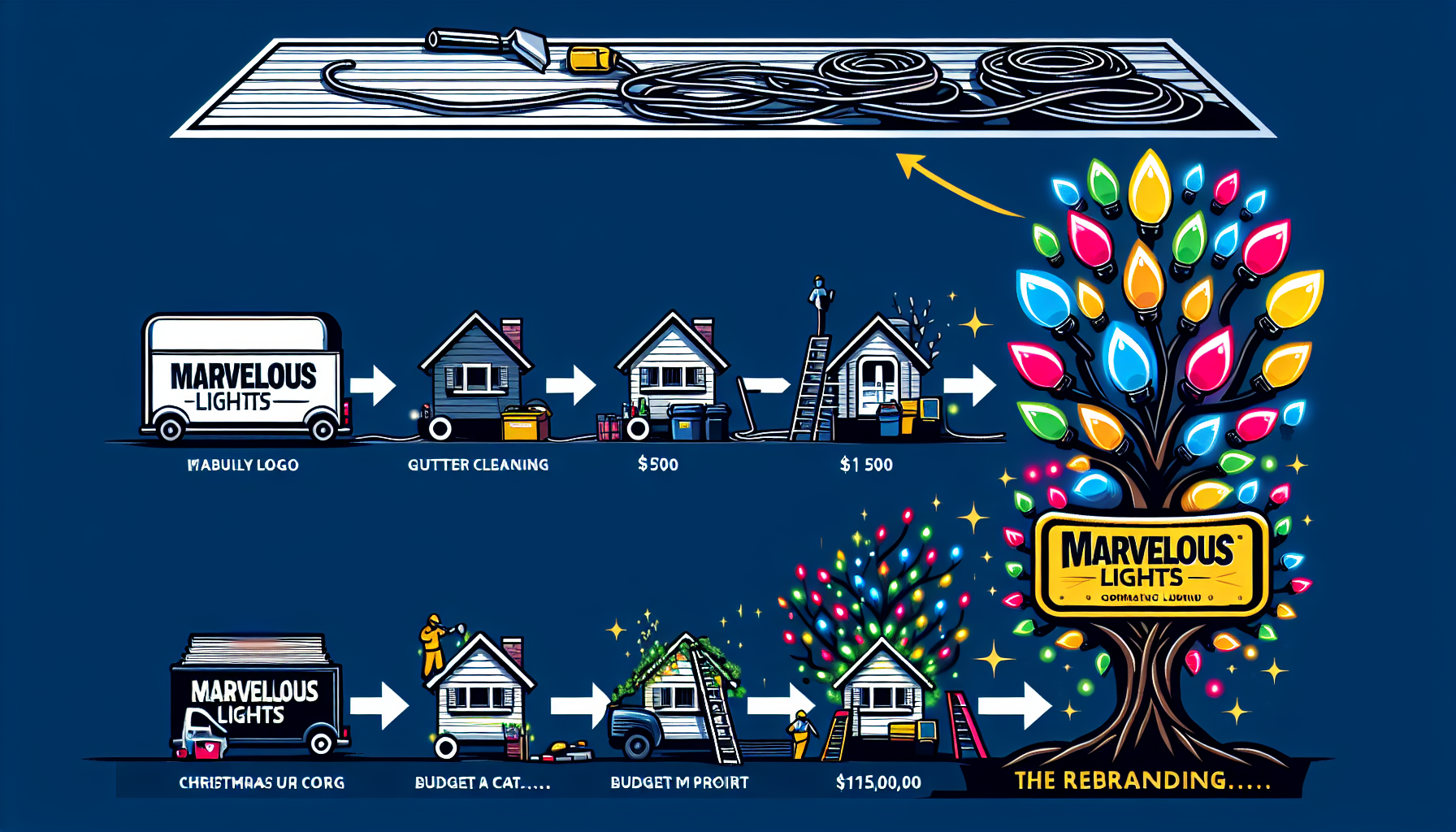
In this blog, we explore the ins and outs of rebranding your business, drawing insights from the personal experience of Ryan Culp, the founder of Marvelous Lights. Ryan shares his journey from his initial $500 logo design to his eventual $155,000 rebranding effort, highlighting the pros and cons of the process and the valuable lessons he learned along the way.

The Cons of Rebranding

Rebranding your business can come with some significant challenges. You may lose online authority and rankings, confuse your customers, and essentially start from scratch with a new brand. Additionally, all the money you’ve invested in your previous brand, such as vehicle wraps, signs, and merchandise, will need to be replaced, which can be costly.

The Pros of Rebranding

However, the potential benefits of rebranding can outweigh the drawbacks. A well-executed rebrand can make your business more recognizable and memorable, leading to increased customer engagement and loyalty. It can also free you from the constraints of your previous brand, allowing you to explore new opportunities and expand your services. Ultimately, a strong brand can make your marketing efforts more effective and efficient, saving you time and money in the long run.

The Rebranding Process

Ryan’s rebranding journey involved several key steps, including choosing a new name, selecting non-traditional colors, and designing a cohesive brand identity. He worked with a professional branding agency to create a comprehensive brand package, which included options for various applications, such as vehicle wraps and marketing materials.

Lessons Learned

Through his rebranding experience, Ryan learned several valuable lessons. He emphasizes the importance of timing your rebrand during the off-season, allowing sufficient time for the process (6 months or more), and creating a brand that appeals to your target clientele rather than just your personal preferences. Additionally, he stresses the necessity of investing in a strong brand, particularly for residential home service businesses, as it can be a key differentiator in a competitive market.

Marketing Strategies

Ryan also discusses effective marketing strategies for businesses in different phases of growth. In the early phase, he recommends focusing on low-cost, high-ROI tactics such as social media, referrals, and yard signs. As the business grows, he suggests exploring more advanced marketing channels, including vehicle wraps, billboards, and targeted digital advertising.

FAQ

  • How long does the rebranding process typically take? The rebranding process can take 3-6 months to complete, from the initial planning to the final implementation.
  • How much should I expect to spend on a professional rebrand? The cost of a professional rebrand can vary widely, but Ryan’s experience suggests it can range from $500 for a basic logo design to $155,000 for a comprehensive brand overhaul.
  • What are the most effective marketing strategies for a new business? In the early phase, focus on low-cost, high-ROI tactics like social media, referrals, and yard signs. As the business grows, explore more advanced channels like vehicle wraps, billboards, and targeted digital advertising.
  • How important is branding for residential home service businesses? Branding is crucial for residential home service businesses, as it can be a key differentiator in a competitive market. A strong, recognizable brand can attract and retain customers more effectively than a generic or forgettable one.

By sharing his personal experiences and insights, Ryan provides a valuable roadmap for business owners considering a rebrand or looking to optimize their marketing strategies. Whether you’re just starting out or looking to take your business to the next level, this blog offers practical guidance and inspiration to help you succeed.

Empathy in Sales: The Key to Connecting with Customers and Driving Success

Table of Contents

The Importance of Seeing the Bigger Picture

In the fast-paced world we live in, it’s easy to get caught up in the day-to-day tasks and lose sight of the bigger picture. As sales professionals, it’s crucial to remember that our customers are not just numbers or transactions – they are real people with their own unique challenges and experiences. By taking the time to understand and empathize with our customers, we can build stronger relationships and ultimately drive more successful outcomes.

Empathy: The Foundation of Effective Sales

Empathy is the ability to understand and share the feelings of another person. In the world of sales, empathy is a powerful tool that can help us connect with our customers on a deeper level and better address their needs. When we approach a customer with empathy, we are not just focused on making a sale – we are genuinely interested in understanding their situation and finding a solution that truly benefits them.

Acknowledging Challenges and Offering Support

As the video transcript highlights, our customers often have a lot going on in their lives, from financial struggles to personal challenges. By acknowledging these difficulties and offering our support, we can demonstrate our commitment to their well-being and build trust.

For example, the sales representative in the video transcript took the time to understand the customer’s situation, which involved a devastating cancer diagnosis. Instead of simply focusing on the issue at hand, the representative empathized with the customer’s emotional state and provided a listening ear and emotional support. This not only helped to resolve the immediate problem but also strengthened the relationship between the customer and the sales team.

Putting Yourself in the Customer’s Shoes

Effective sales professionals are able to step back and view the situation from the customer’s perspective. By imagining how the customer feels and what they are going through, we can tailor our approach and better address their needs.

In the video transcript, the sales representative recognized that the customer was not primarily concerned with the issue at hand (the dirt on her house) but was instead dealing with the emotional turmoil of a cancer diagnosis. By shifting their focus to the customer’s emotional state, the sales team was able to provide the support and empathy that the customer needed in that moment.

Practical Strategies for Developing Empathy

Developing empathy is not always easy, but it is a crucial skill for sales professionals to master. Here are some practical strategies to help you cultivate empathy in your sales interactions:

Active Listening

One of the most important aspects of empathy is actively listening to your customers. This means not just hearing their words, but truly understanding their perspective and the emotions behind what they are saying. Avoid interrupting, and instead, focus on asking thoughtful questions and paraphrasing to demonstrate your understanding.

Emotional Intelligence

Emotional intelligence, or the ability to recognize and manage your own emotions as well as those of others, is a key component of empathy. By developing a deeper understanding of emotions and how they impact behavior, you can more effectively navigate challenging situations and connect with your customers on a personal level.

Personalization

Every customer is unique, with their own set of challenges, goals, and preferences. By taking the time to learn about your customers as individuals, you can tailor your approach and better address their specific needs. This could involve researching their industry, understanding their pain points, or simply asking questions to gain a deeper understanding of their situation.

Flexibility and Adaptability

Sales situations can be unpredictable, and the ability to adapt to changing circumstances is crucial. By maintaining a flexible mindset and being willing to adjust your approach as needed, you can better respond to the unique needs of each customer and demonstrate your commitment to their success.

The Benefits of Empathy-Driven Sales

Developing empathy in sales is not just the right thing to do – it can also have a significant impact on your overall success. Here are some of the key benefits of an empathy-driven sales approach:

Stronger Customer Relationships

When customers feel understood and valued, they are more likely to trust and engage with your brand. By demonstrating empathy, you can build stronger, more meaningful relationships that lead to repeat business and positive word-of-mouth referrals.

Increased Sales and Revenue

Empathy-driven sales are not just about making a sale – it’s about finding solutions that truly benefit the customer. By taking the time to understand their needs and tailor your approach accordingly, you can increase the likelihood of closing a sale and driving long-term customer loyalty.

Improved Customer Satisfaction

When customers feel heard, understood, and supported, they are more likely to be satisfied with their overall experience. This can lead to positive reviews, referrals, and a stronger reputation for your brand.

Enhanced Employee Morale and Engagement

Empathy-driven sales also benefit your internal team. By fostering a culture of empathy and support, you can improve employee morale, reduce turnover, and create a more engaged and motivated sales force.

Frequently Asked Questions

How can I incorporate empathy into my sales approach?

  1. Practice active listening and ask thoughtful questions to understand your customer’s needs and challenges.
  2. Demonstrate emotional intelligence by recognizing and responding to your customer’s emotional state.
  3. Personalize your approach by tailoring your solutions to the unique needs of each customer.
  4. Maintain flexibility and adaptability to better address changing circumstances and customer requirements.

What are the key benefits of an empathy-driven sales approach?

  • Stronger customer relationships and increased loyalty
  • Higher sales and revenue through better-tailored solutions
  • Improved customer satisfaction and positive word-of-mouth referrals
  • Enhanced employee morale and engagement within your sales team

How can I measure the impact of my empathy-driven sales efforts?

Some key metrics to track include customer satisfaction scores, repeat business rates, referral rates, and employee retention and engagement levels. By regularly monitoring these metrics, you can assess the effectiveness of your empathy-driven sales approach and make adjustments as needed.

What if a customer is not receptive to an empathetic approach?

While empathy is a powerful tool, it’s important to recognize that not all customers will respond in the same way. If a customer seems unreceptive to an empathetic approach, try adjusting your communication style or focusing on addressing their specific needs and concerns. Maintaining a flexible and adaptable mindset is key to navigating these types of situations.

How can I foster a culture of empathy within my sales team?

Promoting empathy within your sales team starts with leading by example. Provide training and resources to help your team develop their emotional intelligence and active listening skills. Recognize and reward empathetic behaviors, and create opportunities for team members to share their experiences and learn from one another.

Mastering the Flow: Navigating Christmas Lights and Permanent Lighting

Table of Contents

Understanding the Power Supply

When it comes to installing Christmas lights or permanent lighting, one of the most crucial factors to consider is the flow of the lights. This is where the power supply comes into play. The location and accessibility of the power source can significantly impact the overall design and execution of your lighting project.

Imagine you’re planning a lighting installation for a house. You’ve identified three potential power supply locations: one inside the garage against the back wall, another by the door, and a third on the right side of the house. The question is, which one would be your preferred power supply, and which one would you rule out first?

Choosing the Right Power Supply

In this scenario, the power supply on the right side of the house would likely be the preferred choice. Why? There are a few factors to consider:

  1. Visibility: The right side of the house has a walkway, which means the power supply will be more visible to those viewing the display. This can be an important aesthetic consideration, especially for permanent lighting installations.
  2. Accessibility: The right side of the house may have less “service stuff” or obstructions, making it more accessible for running the lighting cables and connections.

Of course, there may be instances where the other power supply locations are more convenient or practical. For example, if the power supply on the right side is hidden behind a bush or in an inconvenient location, you may need to consider one of the other options.

Maximizing the Power Supply

Now, let’s say there’s only one power supply available, and it’s located in a specific spot, such as right by the door or behind a bush. How do you approach this scenario?

The key is to understand the flow of the lights and how you can maximize the use of the single power supply. This may involve strategically planning the layout of your lighting display to ensure efficient cable routing and minimize the need for additional power sources.

Optimizing Cable Management

When working with a single power supply, careful cable management becomes crucial. You’ll need to consider the best way to route the cables from the power source to the various lighting elements, ensuring they are hidden, secure, and don’t create tripping hazards.

This may involve using cable covers, running the cables along the roofline or along the edges of the house, and finding creative ways to conceal the wiring. The goal is to create a seamless, visually appealing lighting display while maintaining safety and functionality.

Balancing Aesthetics and Practicality

When it comes to Christmas lights and permanent lighting, the flow of the lights is not just about the physical layout and cable management. It’s also about balancing the aesthetic appeal of the display with the practical considerations of power supply and installation.

While the visibility and accessibility of the power supply are important factors, you also need to consider the overall design and impact of the lighting. This may involve making strategic decisions about the placement of lighting elements, the use of different lighting types (e.g., icicle lights, string lights, spotlights), and the integration of the lighting with the architectural features of the home.

Achieving a Cohesive Lighting Design

The key to a successful lighting installation is to create a cohesive and harmonious design that enhances the appearance of the home and complements the surrounding environment. This may require careful planning, experimentation, and a willingness to make adjustments to ensure the final result meets your desired aesthetic and practical goals.

Remember, the flow of the lights is not just about the physical layout but also about the overall visual impact and the seamless integration of the lighting elements into the overall design of the property.

FAQ’s

What is the most important factor to consider when choosing a power supply for a lighting installation?

The most important factor to consider when choosing a power supply is the accessibility and visibility of the power source. You want to select a location that is easy to access for installation and maintenance, and one that is visually appealing or hidden from view.

How can I ensure efficient cable management when working with a single power supply?

To ensure efficient cable management with a single power supply, you should:

  • Plan the layout of your lighting display to minimize the need for long cable runs
  • Use cable covers or conceal the cables along the roofline or edges of the house
  • Avoid creating tripping hazards by securing the cables and keeping them out of high-traffic areas
  • Consider using low-voltage lighting options to reduce the size and visibility of the cables

How can I balance the aesthetics and practicality of a lighting installation?

To balance the aesthetics and practicality of a lighting installation, you should:

  • Carefully plan the placement and integration of the lighting elements with the architectural features of the home
  • Experiment with different lighting types and techniques to achieve the desired visual impact
  • Be willing to make adjustments to the layout and design to ensure the final result is both visually appealing and functional
  • Prioritize safety and accessibility while also considering the overall aesthetic of the lighting display

What are the key considerations for maintaining the flow of lights in a permanent lighting installation?

The key considerations for maintaining the flow of lights in a permanent lighting installation include:

  • Strategically planning the power supply locations to ensure efficient cable routing and accessibility
  • Utilizing cable management techniques to conceal and secure the wiring
  • Integrating the lighting elements with the architectural features of the home for a cohesive design
  • Regularly maintaining and troubleshooting the lighting system to ensure consistent performance

The Costly Mistake of Forgetting to Ask: Lessons Learned in Permanent Lighting Installation

Table of Contents

The Missed Opportunity

As a seasoned lighting installation professional, I thought I had this job in the bag. The customer sent me a picture of their house, and I immediately knew exactly what they needed. I crafted a beautiful mock-up, showcasing how the lighting would transform their home, and the customer was thrilled. They accepted the estimate, and I set out to complete the project, confident that everything was going according to plan.

However, as the installation progressed, the customer asked a fateful question: “What else could we add to this?” It was then that I realized my oversight – I had failed to clarify the specific type of lighting they desired. In my haste to provide a quick solution, I had overlooked a crucial detail that would ultimately cost me dearly.

The Costly Mistake

The customer’s question caught me off guard, and I quickly suggested sprucing up the landscaping, thinking it would be a good fit. Little did I know, the real issue was the type of lighting they wanted – permanent lights.

When I presented the estimate to the customer, I expected them to be shocked by the $3,000 price tag. To my surprise, they simply said, “Let’s do it.” It was in that moment that I realized my mistake. I had failed to ask the right questions upfront, and now I was facing the consequences.

As the project progressed, the true cost of my oversight became clear. The customer wanted permanent lights, which required additional materials, labor, and expertise that I had not accounted for in the original estimate. By the time the job was completed, I had lost a staggering $2,000 – a significant financial blow that could have been easily avoided.

Lessons Learned

This experience has been a valuable lesson for me, and I’m sharing it with you to ensure you don’t make the same mistake. As lighting installation professionals, it’s crucial that we take the time to fully understand our clients’ needs and expectations before providing an estimate or starting the work.

Ask the Right Questions

The key to avoiding costly oversights is to ask the right questions upfront. When a customer approaches you with a lighting project, don’t assume you know exactly what they want. Instead, take the time to thoroughly understand their requirements, including:

  • The specific type of lighting they desire (e.g., permanent, temporary, indoor, outdoor)
  • The desired aesthetic and functionality of the lighting
  • Any special considerations or unique features they want to incorporate
  • Their budget and timeline for the project

By asking these questions and actively listening to their responses, you’ll be able to provide a more accurate estimate and ensure that the final result meets their expectations.

Communicate Clearly

Clear communication is essential throughout the entire project. Make sure to document all the details discussed during the initial consultation, and review them with the customer to confirm that you’re on the same page. As the project progresses, keep the customer informed of any changes or unexpected challenges, and work together to find the best solution.

Attention to Detail

In the fast-paced world of lighting installation, it’s easy to overlook seemingly minor details. However, as my experience has shown, these small oversights can have significant financial consequences. Develop a systematic approach to your work, double-checking every aspect of the project to ensure that nothing is missed.

Conclusion

The $2,000 loss I experienced on this job was a painful lesson, but one that has made me a stronger and more diligent professional. By learning from this experience and implementing the strategies I’ve outlined, you can avoid similar pitfalls and ensure the success of your lighting installation projects.

FAQ

What are the key differences between permanent and temporary lighting?

Permanent lighting: Designed for long-term use, typically installed directly into the structure of a building or landscape. Requires more complex installation and specialized materials.

Temporary lighting: Intended for short-term or event-based use, often portable or easily removable. Generally less expensive and simpler to install.

How can I ensure I don’t miss important details when providing an estimate?

Develop a comprehensive checklist of questions to ask clients during the initial consultation. This should cover all aspects of the project, from the desired lighting type and features to the customer’s budget and timeline. Refer to this checklist for every project to ensure you don’t overlook any critical details.

What are some effective strategies for maintaining clear communication with clients throughout a project?

1. Provide regular progress updates, both in person and through written communication.

2. Encourage the client to ask questions and provide feedback at every stage of the project.

3. Document all decisions, changes, and agreements in writing to avoid misunderstandings.

4. Respond promptly to the client’s inquiries and concerns, demonstrating your commitment to their satisfaction.

How can I improve my attention to detail when working on a lighting installation project?

1. Develop a detailed, step-by-step checklist for each phase of the installation process.

2. Conduct regular quality checks throughout the project to identify and address any issues early on.

3. Encourage your team to be vigilant and speak up if they notice anything that doesn’t align with the project specifications.

4. Continuously review and refine your processes to identify opportunities for improvement.

The Rise of Permanent Outdoor Lighting: Transforming Temporary Setups into Sustainable Solutions

Table of Contents

Embracing the Shift from Temporary to Permanent Outdoor Lighting

In the ever-evolving landscape of outdoor lighting, a significant shift is taking place. The era of temporary, seasonal lighting solutions is giving way to the rise of permanent outdoor lighting systems. This transition is not only transforming the way businesses and homeowners approach their outdoor lighting needs but also disrupting the traditional methods employed by many contractors.

The benefits of permanent outdoor lighting are multifaceted. These systems offer a more sustainable and cost-effective solution, providing a consistent and reliable source of illumination throughout the year. Unlike temporary setups that require annual installation and removal, permanent lighting systems are designed to withstand the elements, offering a seamless and hassle-free experience for property owners.

The Advent of Permanent Lighting Solutions

The advent of permanent lighting solutions has been a game-changer in the outdoor lighting industry. These innovative systems are not only easy to install but also offer a range of customization options to suit the unique needs of each property. From commercial properties to residential homes, the versatility of permanent outdoor lighting has made it an increasingly popular choice among property owners.

The Rise of Permanent Lighting in Commercial Spaces

One of the most notable areas where permanent outdoor lighting is making its mark is in the commercial sector. Businesses, such as Chick-fil-A, have recognized the benefits of transitioning from temporary Christmas lights to permanent lighting systems. These permanent solutions not only enhance the aesthetic appeal of the property but also provide a consistent and reliable source of illumination, contributing to a more inviting and welcoming environment for customers.

The installation of permanent lighting systems in commercial spaces has had a significant impact on the traditional contractors who previously handled the temporary lighting setups. Many of these contractors are unaware that they have lost their jobs to the permanent lighting solutions, only to discover the change when they arrive to install the seasonal lights and find that the job has already been done.

Innovations in Permanent Lighting Systems

The development of permanent outdoor lighting systems has been driven by innovative manufacturers who have worked to create solutions that are both user-friendly and visually appealing. One such innovation is the track system, which has been described as the easiest system to install on the market. This track system, which was co-developed by the manufacturer, allows for a seamless and efficient installation process, making it an attractive option for property owners looking to upgrade their outdoor lighting.

The Benefits of Permanent Outdoor Lighting

The shift towards permanent outdoor lighting solutions offers a range of benefits that are attracting property owners across the board. These benefits include:

Cost-Effectiveness

Permanent outdoor lighting systems are designed to be a long-term investment, providing a more cost-effective solution compared to the annual expenses associated with temporary lighting setups. By eliminating the need for yearly installation and removal, property owners can save on labor costs and enjoy a consistent source of illumination.

Durability and Reliability

Permanent outdoor lighting systems are engineered to withstand the elements, ensuring a reliable and consistent source of illumination throughout the year. Unlike temporary solutions that may be susceptible to weather-related damage, permanent systems are built to last, providing a hassle-free experience for property owners.

Aesthetic Appeal

Permanent outdoor lighting systems are designed with aesthetics in mind, offering a range of customization options to complement the unique features of a property. From sleek and modern designs to more traditional styles, these systems can enhance the overall visual appeal of a space, creating a more inviting and welcoming environment.

Sustainability

The shift towards permanent outdoor lighting solutions aligns with the growing focus on sustainability and environmental responsibility. By eliminating the need for annual installations and removals, these systems reduce the carbon footprint associated with temporary lighting setups, contributing to a more eco-friendly approach to outdoor illumination.

The Future of Outdoor Lighting: Embracing Permanent Solutions

As the outdoor lighting industry continues to evolve, the rise of permanent solutions is poised to become the new norm. Property owners, both commercial and residential, are recognizing the benefits of these systems and are increasingly opting for permanent lighting over temporary setups.

This shift is not only transforming the way outdoor lighting is approached but also disrupting the traditional methods employed by many contractors. As more property owners transition to permanent lighting solutions, contractors who have previously relied on temporary lighting installations may find themselves facing the reality of losing their jobs to these innovative and sustainable systems.

However, this change also presents new opportunities for contractors and industry professionals. By adapting to the growing demand for permanent outdoor lighting, they can position themselves as experts in the installation and maintenance of these systems, ensuring a steady stream of recurring revenue and a competitive edge in the market.

FAQ

What are the key benefits of permanent outdoor lighting?

  • Cost-effectiveness: Permanent lighting systems offer a more cost-effective solution compared to the annual expenses associated with temporary lighting setups.
  • Durability and reliability: Permanent outdoor lighting systems are engineered to withstand the elements, ensuring a reliable and consistent source of illumination throughout the year.
  • Aesthetic appeal: Permanent lighting systems are designed with aesthetics in mind, offering a range of customization options to complement the unique features of a property.
  • Sustainability: Permanent outdoor lighting solutions reduce the carbon footprint associated with temporary lighting setups, contributing to a more eco-friendly approach to outdoor illumination.

How does the rise of permanent outdoor lighting impact traditional contractors?

The transition to permanent outdoor lighting systems is disrupting the traditional methods employed by many contractors who have previously relied on temporary lighting installations. Many of these contractors are unaware that they have lost their jobs to the permanent lighting solutions, only to discover the change when they arrive to install the seasonal lights and find that the job has already been done.

What are some of the innovations in permanent outdoor lighting systems?

One notable innovation in permanent outdoor lighting systems is the track system, which has been described as the easiest system to install on the market. This track system, which was co-developed by the manufacturer, allows for a seamless and efficient installation process, making it an attractive option for property owners looking to upgrade their outdoor lighting.

How can contractors adapt to the rise of permanent outdoor lighting?

As the demand for permanent outdoor lighting solutions continues to grow, contractors and industry professionals have the opportunity to adapt and position themselves as experts in the installation and maintenance of these systems. By embracing the shift towards permanent lighting, they can ensure a steady stream of recurring revenue and maintain a competitive edge in the market.

Tangle-Free Mini Light Storage: Keeping Your Holidays Bright and Organized

Table of Contents

Mastering the Art of Mini Light Storage

As the holiday season approaches, the excitement of decorating our homes with twinkling lights is often dampened by the dreadful task of untangling a tangled mess of mini lights. Year after year, we find ourselves spending hours meticulously unraveling the knots and kinks, only to face the same challenge the following year. But what if there was a simple, foolproof way to store your mini lights that would ensure they remain tangle-free and ready to go when you need them?

In this comprehensive guide, we’ll explore an easy-to-follow technique that will revolutionize the way you store your mini lights, saving you time, frustration, and the headache of dealing with a tangled web of cords. By the end of this article, you’ll be equipped with the knowledge and confidence to tackle your holiday lighting setup with ease, allowing you to focus on the true joy of the season.

The Importance of Proper Mini Light Storage

Proper storage of mini lights is not just a matter of convenience; it can also extend the lifespan of your lighting investments. When mini lights are haphazardly tossed into a box or container, the cords can become twisted, kinked, and damaged over time. This can lead to broken bulbs, frayed wires, and even the failure of the entire strand, forcing you to replace them prematurely.

By following a simple, systematic approach to storing your mini lights, you can ensure that they remain in pristine condition, ready to be used year after year. This not only saves you money in the long run but also reduces the environmental impact of constantly replacing broken or damaged lights.

The Step-by-Step Guide to Tangle-Free Mini Light Storage

Now, let’s dive into the step-by-step process of storing your mini lights in a way that will keep them tangle-free and ready for the next holiday season.

Step 1: Prepare the Lights

Before you begin the wrapping process, ensure that your mini lights are unplugged and the power cord is neatly folded. This will prevent any tangling or kinking during the storage process.

Step 2: Start Wrapping

Take the female end of the mini light strand and hold it in your hand, with the male end pointing outward. Begin wrapping the lights around your fingers, creating a tight, compact coil. As you wrap, be sure to keep the coil as small and tidy as possible, avoiding any overlapping or loose sections.

Step 3: Secure the Wrap

Once you’ve wrapped the entire strand, take the male end and tuck it into the coil, securing the wrap in place. If possible, try to position the male end on the outside of the coil, as this will make it easier to access and plug in the lights next year.

Step 4: Store with Care

Carefully place the wrapped mini light strand into a storage container, such as a plastic bin or a resealable bag. Avoid stacking the coils on top of each other, as this can lead to tangling. If you have multiple strands, store them separately to prevent any intertwining.

Step 5: Label and Organize

To make the retrieval process even easier next year, consider labeling your storage containers with the length and color of the mini lights they contain. This will help you quickly identify and locate the specific strands you need for your holiday decorating.

Troubleshooting Common Challenges

While the wrapping technique outlined above is generally straightforward, there may be some challenges you encounter along the way. Here are a few common issues and how to address them:

Difficulty Securing the Wrap

If you’re having trouble keeping the wrapped coil in place, try using a small piece of tape or a rubber band to secure the male end. This will help prevent the coil from unraveling during storage.

Tangled Strands

If you find that your mini lights have become tangled despite your best efforts, don’t panic. Gently unravel the strands, taking your time to avoid further damage. Once they’re untangled, go through the wrapping process again, ensuring that each strand is wrapped tightly and separately.

Damaged Lights

If you notice any broken bulbs or frayed wires, it’s best to replace the entire strand before storing it. This will prevent further damage and ensure that your lights are ready to use when the holiday season arrives.

FAQ

How long can I store my mini lights using this method?

With proper storage, your mini lights can last for many years. As long as you keep them in a cool, dry place and avoid any physical damage, your mini lights should remain tangle-free and ready to use for several holiday seasons.

Can I use this method for other types of holiday lights?

Absolutely! While this guide focuses on mini lights, the same wrapping technique can be applied to a variety of holiday lighting, including icicle lights, string lights, and even larger outdoor lights. The key is to keep the wraps tight and compact to prevent tangling.

How can I make the storage process even easier?

Consider investing in storage containers or bags specifically designed for holiday lights. These products often have built-in dividers or compartments to keep your mini lights organized and separated. You can also use cardboard or plastic tubes to wrap your lights around, providing a sturdy structure for storage.

What if I have a large number of mini light strands?

For those with extensive holiday lighting setups, the wrapping process can become time-consuming. In this case, consider enlisting the help of family members or friends to make the task more manageable. Alternatively, you can explore storage solutions that allow you to hang or stack your wrapped mini light strands, saving valuable space and reducing the time required for setup and takedown.

How can I ensure my mini lights last for years to come?

In addition to proper storage, taking care of your mini lights during the holiday season can also extend their lifespan. Avoid overloading electrical outlets, be gentle when hanging and removing the lights, and consider using LED mini lights, which are generally more durable and energy-efficient than traditional incandescent bulbs.

By following the techniques outlined in this guide and addressing any challenges that may arise, you’ll be well on your way to enjoying a tangle-free, hassle-free holiday season for years to come. Embrace the joy of decorating with confidence, knowing that your mini lights are neatly stored and ready to shine brightly when you need them.

Effortless Christmas Light Storage: Keeping Your C9 Roof Lights Tangle-Free

Table of Contents

Introducing the Tangle-Free Solution for C9 Roof Lights

As the holiday season approaches, the excitement of decorating your home with dazzling C9 roof lights is often dampened by the dread of untangling a tangled mess of cords and bulbs the following year. But fear not! In this comprehensive guide, we’ll explore a simple yet effective method to store your C9 roof lights, ensuring a seamless and stress-free installation process for years to come.

The Importance of Proper Light Storage

Storing your C9 roof lights correctly is crucial for a hassle-free setup next season. When lights are haphazardly tossed into a box or bin, they can become a tangled web of cords and bulbs, making the annual installation a time-consuming and frustrating task. This not only wastes your valuable time but can also lead to damaged or malfunctioning lights, ultimately diminishing the overall impact of your holiday display.

Avoiding the Tangled Trap

Many homeowners and even subcontractors have experienced the dreaded “garbage pail of lights” scenario, where a jumbled mass of cords and bulbs awaits them upon retrieval. Attempting to untangle this mess can be a daunting and time-consuming endeavor, often leading to a delayed or incomplete holiday lighting setup.

The Tangle-Free Solution

Fortunately, there is a simple and effective solution to this common problem. By following a few simple steps, you can ensure that your C9 roof lights remain tangle-free and ready for a hassle-free installation year after year.

Step 1: Prepare the Lights

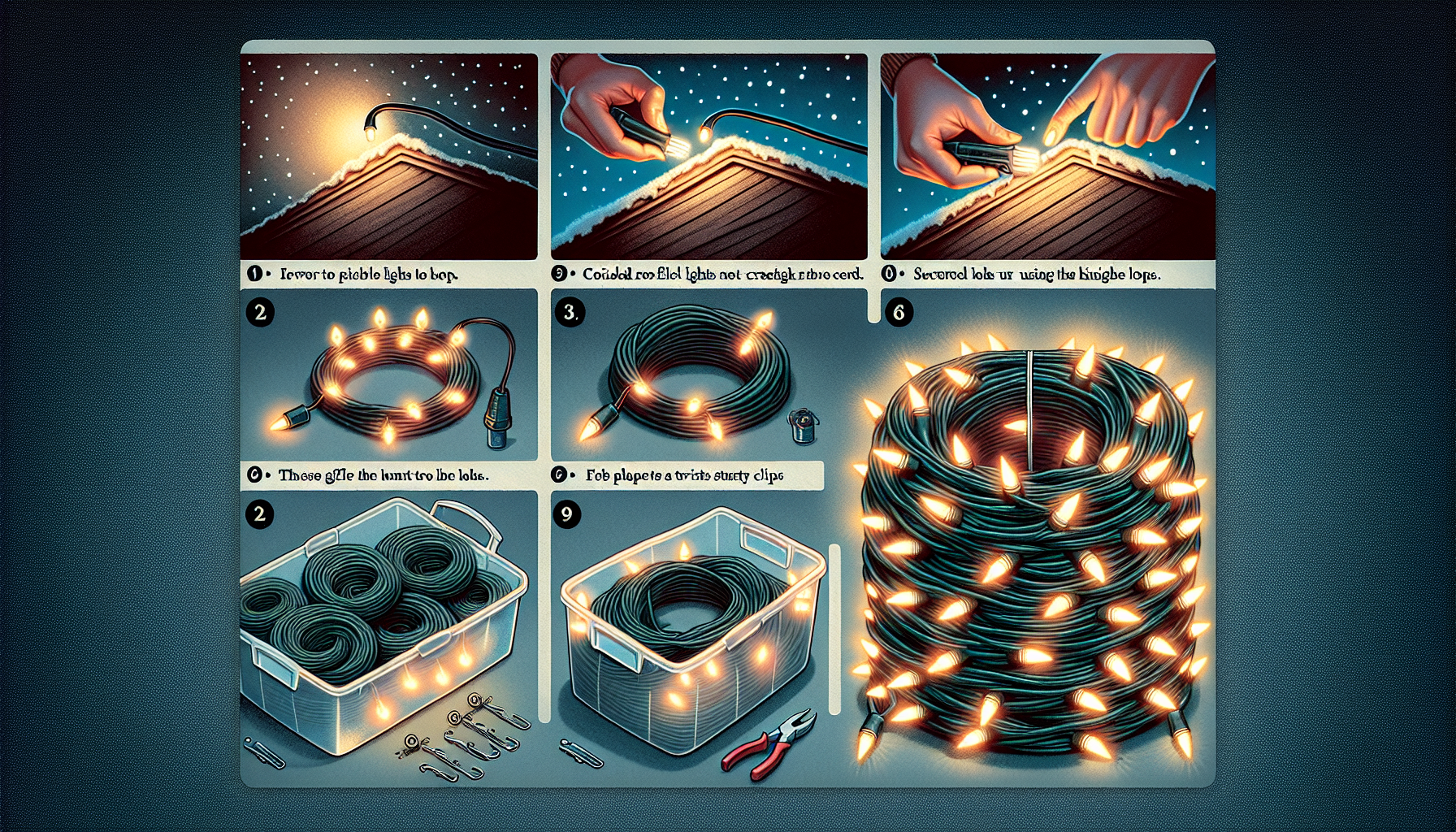
Before storing your C9 roof lights, ensure that the tough clips and flex clips are already attached to the bolts. This step is crucial, as it will allow you to quickly and easily hang the lights during the next installation process.

Step 2: Coil and Secure the Lights

Gently coil the lights, creating tight, uniform loops. As you coil, be mindful not to twist or kink the cords, as this can lead to damage and future tangles. Once coiled, secure the loops using the tough clips and flex clips, creating a compact and organized bundle.

Step 3: Store with Care

Carefully place the coiled and secured lights into a storage container, such as a plastic bin or a dedicated Christmas light storage bag. Avoid cramming the lights into a small space, as this can lead to uneven coiling and potential tangling. Instead, ensure that the lights are stored in a way that maintains their shape and organization.

Reaping the Benefits of Tangle-Free Storage

By investing a few minutes in properly storing your C9 roof lights, you’ll enjoy a multitude of benefits when it’s time to decorate your home for the holidays.

Seamless Installation

With your lights neatly coiled and secured, the annual installation process will be a breeze. Simply unpack the lights, attach them to the roof, and you’ll be ready to illuminate your home in no time.

Time-Saving Convenience

No more wasted hours untangling a tangled mess of cords and bulbs. Your tangle-free storage method will save you valuable time, allowing you to focus on other aspects of your holiday decorating.

Reduced Wear and Tear

Properly storing your lights in a way that avoids twisting and kinking will help preserve their condition, extending the lifespan of your C9 roof lights and reducing the need for costly replacements.

Frequently Asked Questions

How often should I store my C9 roof lights?

It’s recommended to store your C9 roof lights after each holiday season. This will ensure that they remain tangle-free and ready for the next year’s installation.

Can I use any type of storage container?

While you can use a variety of storage containers, it’s best to opt for a plastic bin or a dedicated Christmas light storage bag. These containers will help maintain the shape and organization of your coiled lights.

What if I have a large number of C9 roof lights?

Even if you have a large display, the tangle-free storage method can be applied to all your C9 roof lights. Simply repeat the coiling and securing process for each set of lights, ensuring they are neatly organized and ready for the next installation.

Can I use this method for other types of Christmas lights?

Absolutely! While this guide focuses on C9 roof lights, the tangle-free storage technique can be applied to a variety of Christmas light types, including string lights, icicle lights, and more. The key is to coil and secure the lights in a consistent and organized manner.

Embrace the Joy of Effortless Holiday Lighting

By adopting this tangle-free storage method for your C9 roof lights, you’ll transform the annual holiday lighting ritual from a dreaded chore into a joyful and efficient process. Spend less time untangling and more time creating a dazzling display that will bring smiles to your family and neighbors. Embrace the convenience of tangle-free storage and elevate your holiday lighting experience to new heights.